
Core Cutting and Testing in Maharashtra is a vital process in the construction industry, primarily used to assess the quality and strength of concrete structures. This technique involves extracting cylindrical samples, or “cores,” from hardened concrete or other materials, which are then tested to determine their structural integrity.
In Maharashtra, where infrastructure development is booming, core cutting and testing are essential for ensuring that buildings, bridges, and other structures meet the required safety and durability standards.
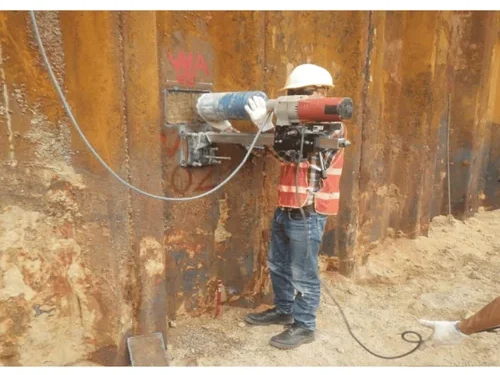
Importance of Core Cutting and Testing in Maharashtra
Core cutting and testing serve several crucial purposes in the construction process:
1. Quality Assurance: Core testing is one of the most reliable methods for evaluating the compressive strength of concrete, which is a key indicator of the material’s quality. By extracting samples directly from the structure, engineers can assess the in-situ concrete strength, ensuring that it meets the design specifications.
2. Structural Safety: Ensuring the structural integrity of buildings and infrastructure is paramount, especially in a state like Maharashtra, which is prone to various environmental challenges such as heavy rains, high humidity, and seismic activity. Core testing helps identify any potential weaknesses in the concrete, allowing for timely corrective actions.
3. Compliance with Standards: In Maharashtra, construction projects must adhere to stringent standards set by the Bureau of Indian Standards (BIS) and other regulatory bodies. Core cutting and testing ensure that the concrete used in construction complies with these standards, helping avoid legal and compliance issues.
4. Assessment of Existing Structures: Core Cutting and Testing in Maharashtra is not only used during new construction but is also an essential tool for assessing the condition of existing structures. For older buildings or infrastructure, especially those exposed to harsh environmental conditions or heavy loads, core testing provides valuable insights into the remaining life of the structure and the need for repairs or reinforcement.
5. Verification of Repairs: After a repair or rehabilitation project, core testing is often used to verify the effectiveness of the repairs. By testing the strength of the repaired sections, engineers can ensure that the structure has been restored to its original or desired strength.
The Core Cutting Process
The core cutting process involves several steps, each requiring precision and expertise to ensure accurate results:
1. Selection of Core Location: The first step in core cutting is selecting the appropriate locations for extracting the cores. This decision is based on factors such as the structural design, areas of suspected weakness, and accessibility. The locations are chosen to provide a representative sample of the overall structure.
2. Core Extraction: Once the locations are determined, a specialized drilling machine with a diamond-tipped core bit is used to cut cylindrical samples from the concrete. The cores typically range from 50mm to 150mm in diameter and can be up to several feet in length, depending on the structure’s thickness.
3. Core Handling and Storage: After extraction, the cores are carefully handled and stored to prevent any damage or changes in their condition. They are often labeled with details such as the location, date, and orientation to ensure proper identification during testing.
4. Laboratory Testing: The extracted cores are then subjected to various tests in a laboratory setting. The most common test is the compressive strength test, which measures the core’s ability to withstand crushing loads. Other tests may include density, porosity, and water absorption, depending on the specific requirements of the project.
5. Analysis and Reporting: After testing, the results are analyzed to determine the quality and strength of the concrete. The findings are compiled into a detailed report, which includes recommendations for any necessary repairs or further testing.
Application of Core Cutting & Testing in Maharashtra
Core Cutting and Testing in Maharashtra are widely used across various sectors, including residential, commercial, and infrastructure projects. The state’s diverse environmental conditions make this testing especially important for ensuring that structures can withstand the unique challenges they face.
For instance, in coastal cities like Mumbai, where concrete structures are exposed to high humidity and saltwater, core testing is essential for detecting corrosion-related weaknesses. In regions prone to seismic activity, such as the Western Ghats, core testing helps assess the earthquake resistance of structures, ensuring they meet the necessary safety standards.
Core cutting and testing are also crucial for the maintenance and rehabilitation of Maharashtra’s aging infrastructure. With many bridges, roads, and buildings approaching the end of their design life, regular core testing provides valuable data for planning repairs and ensuring the continued safety of these structures.
Conclusion: Building a Safe Future in Maharashtra
Core Cutting and Testing in Maharashtra play an indispensable role in the construction and maintenance of safe, durable structures in Maharashtra. By providing accurate assessments of concrete quality and structural integrity, this testing method helps ensure that buildings and infrastructure meet the highest standards of safety and reliability.
As Maharashtra continues to grow and develop, investing in comprehensive core testing services is essential for safeguarding the state’s future and ensuring the longevity of its built environment.