
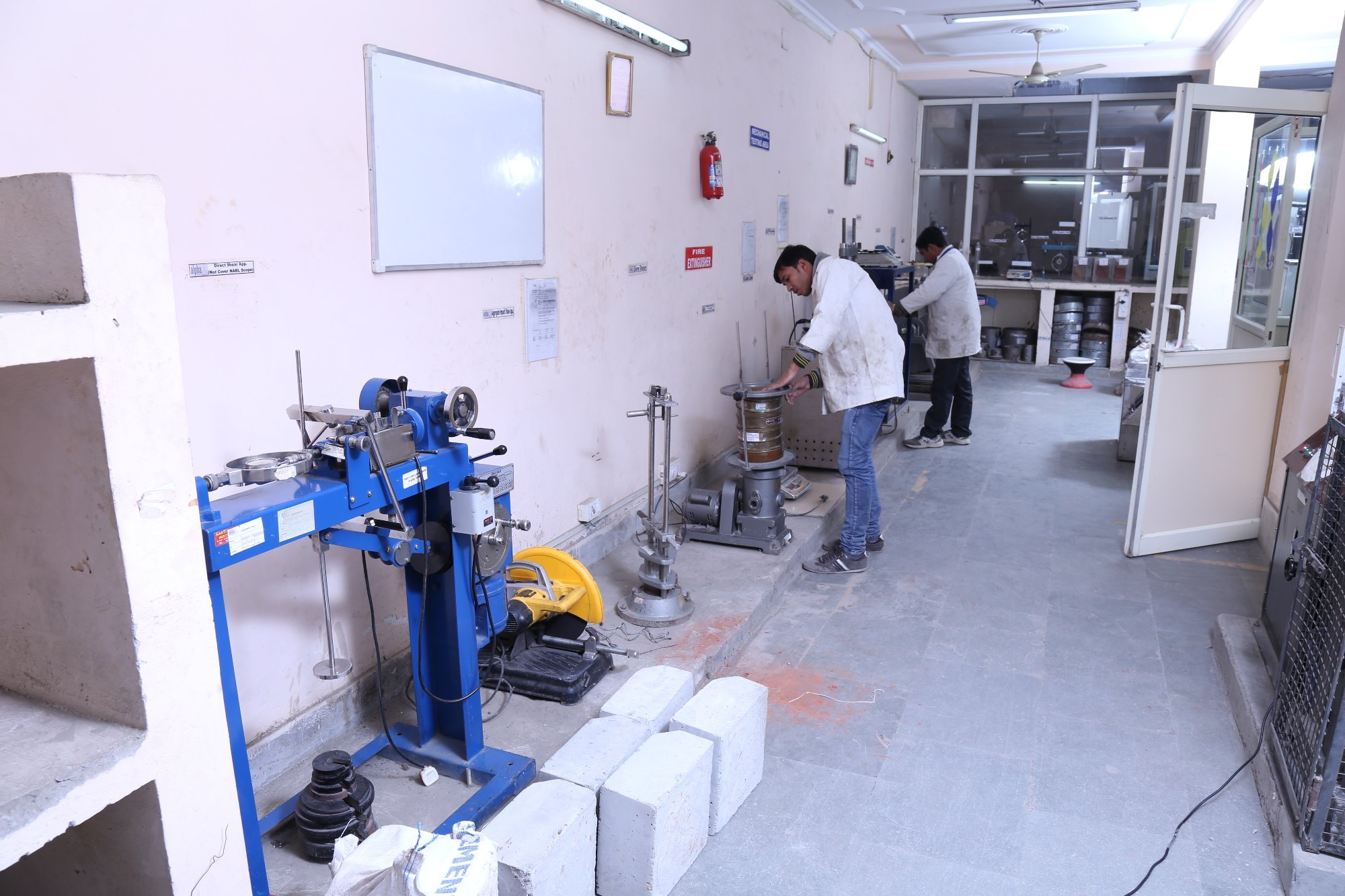
Construction Material Testing in Maharashtra (CMT) is an essential process in the construction industry, aimed at ensuring the quality, durability, and safety of materials used in various construction projects. It involves a series of laboratory and on-site tests to verify that construction materials meet the required standards and specifications. The tests cover a wide range of materials, including concrete, steel, soil, aggregates, asphalt, and more.
In Maharashtra, where rapid urbanization and infrastructure development are ongoing, construction material testing is crucial. It ensures that the materials used in residential, commercial, and infrastructure projects are of the highest quality, reducing the risk of structural failures and ensuring the longevity of the structures.
Importance of Construction Material Testing in Maharashtra
Construction Material Testing is vital for several reasons:
- Safety: The primary purpose of testing construction materials is to ensure the safety of the structures built with them. By verifying the quality and strength of materials, testing helps prevent structural failures that could lead to accidents or even catastrophic collapses.
- Compliance with Standards: In Maharashtra, construction projects must adhere to specific standards and regulations, such as those outlined by the Bureau of Indian Standards (BIS). Material testing ensures that the materials used in construction meet these standards, avoiding legal and compliance issues.
- Quality Assurance: Testing materials before and during construction helps identify any defects or inconsistencies, allowing for corrective actions to be taken before the materials are used in the project. This ensures that the final structure is of the highest quality.
- Cost Efficiency: By ensuring that only high-quality materials are used, construction material testing can prevent costly repairs, rework, and delays. It helps in optimizing resources and minimizing wastage, leading to cost savings in the long run.
- Environmental Considerations: Material testing can also help in assessing the environmental impact of construction materials, promoting the use of sustainable and eco-friendly alternatives in line with Maharashtra’s growing focus on green construction practices.
Common Construction Material Tests
Several tests are commonly performed as part of construction material testing. These tests vary depending on the type of material being used. Some of the most common tests include:
1. Concrete Testing:
○ Compressive Strength Test: Measures the ability of concrete to withstand loads without failing.
○ Slump Test: Assesses the workability of fresh concrete, ensuring it can be easily placed and compacted.
○ Water Permeability Test: Evaluates the durability of concrete by measuring its resistance to water penetration.
2. Soil Testing:
○ Proctor Compaction Test: Determines the optimal moisture content at which soil will achieve its maximum density.
○ Atterberg Limits Test: Assesses the critical water contents of soil, such as its liquid and plastic limits.
○ California Bearing Ratio (CBR) Test:Measures the strength of the soil and its ability to support roadways and pavements.
3. Steel Testing:
○ Tensile Strength Test: Measures the maximum stress that steel can withstand while being stretched or pulled.
○ Bend Test: Evaluates the ductility and flexibility of steel by assessing its ability to bend without breaking.
○ Hardness Test: Determines the resistance of steel to indentation or scratching, indicating its hardness.
4. Aggregate Testing:
○ Sieve Analysis: Determines the particle size distribution of aggregates, which affects the strength and durability of concrete.
○ Los Angeles Abrasion Test: Measures the resistance of aggregates to wear and abrasion, indicating their durability.
○ Specific Gravity and Water Absorption Test: Assesses the density and porosity of aggregates, influencing the mix design of concrete.
Application of Construction Material Testing in Maharashtra
Construction Material Testing in Maharashtra is widely applied across various sectors, including residential, commercial, industrial, and infrastructure projects. The state’s diverse geography and climate conditions, ranging from coastal regions to hilly terrains, necessitate rigorous material testing to ensure that construction projects can withstand environmental challenges.
For instance, in coastal areas like Mumbai, material testing is crucial to ensure that concrete and steel are resistant to corrosion caused by high humidity and saltwater exposure. In hilly regions, soil testing is vital to assess the stability of slopes and the suitability of the soil for construction.
Moreover, with Maharashtra’s growing focus on sustainable development, material testing services are increasingly incorporating tests that assess the environmental impact of construction materials. This includes testing for recycled materials and evaluating the sustainability of alternative materials like fly ash, slag, and recycled aggregates.
Conclusion: Ensuring Quality and Longevity
Construction Material Testing is a cornerstone of the construction industry in Maharashtra. It plays a critical role in ensuring the safety, quality, and durability of structures, from residential buildings to large infrastructure projects. By adhering to rigorous testing protocols, construction professionals can ensure that the materials they use meet the highest standards, comply with regulations, and are suited to the unique environmental conditions of Maharashtra.
Investing in comprehensive construction material testing services is essential for any project aiming for success. It not only safeguards the safety of structures but also ensures long-term cost efficiency and environmental sustainability, making it a key factor in the future of construction in Maharashtra.

