
DGPS and Contour Survey in Maharashtra: In the field of surveying and mapping, accurate data collection is crucial for successful project execution and planning. Differential Global Positioning System (DGPS) and contour surveys are two fundamental techniques used to gather detailed information about land surfaces and elevations.
In Maharashtra, a state with diverse topography and extensive development projects, these methods are essential for ensuring precision in land surveys, construction, and infrastructure planning. This guide provides an overview of DGPS and contour surveys, their importance, methods, and applications in Maharashtra.
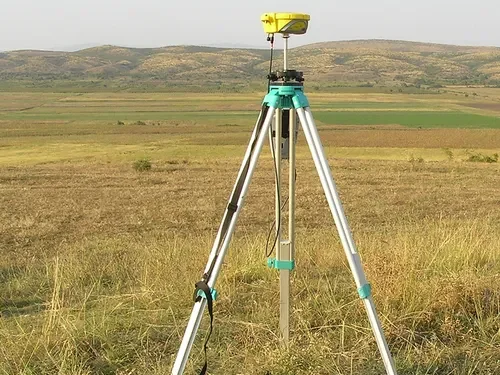
Importance of DGPS and Contour Survey in Maharashtra
1. Enhanced Accuracy:
○ DGPS: Differential Global Positioning System (DGPS) improves the accuracy of standard GPS by using ground-based reference stations to correct GPS signals. This enhancement is crucial for applications requiring high precision, such as land surveys and construction.
○ Contour Surveys: Contour surveys provide detailed information about the land’s elevation changes, which is essential for accurate topographic mapping and effective land use planning.
2. Effective Planning and Design:
○ DGPS: Accurate positional data from DGPS supports precise planning and design in construction and infrastructure projects. This is important for designing roads, buildings, and other structures that align with the land’s true location and layout.
○ Contour Surveys: By mapping elevation changes, contour surveys help in designing drainage systems, managing water flow, and preventing erosion. This information is critical for optimizing land use and ensuring effective environmental management.
4. Regulatory Compliance:
○ Both DGPS and Contour Survey in Maharashtra provide data required for regulatory compliance, including zoning laws, land use regulations, and environmental impact assessments. Accurate data helps in obtaining necessary permits and approvals for construction and development projects.
5. Risk Mitigation:
○ DGPS: High-precision data from DGPS helps in identifying and mitigating potential risks related to land surveying, such as misalignment or discrepancies in construction plans.
○ Contour Surveys: Contour surveys identify potential issues related to land slopes, drainage, and stability, helping in preventing problems such as flooding or landslides.
6. Support for Infrastructure Projects:
○ Both DGPS and contour surveys are essential for major infrastructure projects, including highways, bridges, and urban development. Accurate data ensures that projects are executed correctly and efficiently, aligning with design specifications and environmental considerations.
Methods of DGPS and Contour Surveys
1. DGPS Surveying:
○ DGPS Equipment: DGPS surveys use specialized equipment that includes a GPS receiver and a reference station. The reference station provides correction signals to enhance the accuracy of the GPS data.
○ Data Collection: The surveyor collects positional data using the DGPS equipment, which provides high-precision coordinates. This data is used for mapping, construction, and land planning.
○ Data Processing: Collected data is processed to correct any discrepancies and ensure accuracy. The corrected data is then used for various applications, including land surveys and infrastructure planning.
2. Contour Surveying:
○ Survey Instruments: Contour surveys typically use instruments such as total stations, theodolites, and leveling devices to measure elevation changes and create contour lines on maps.
○ Data Collection: Surveyors collect elevation data at regular intervals across the land. This data is used to create a detailed map of the land’s topography, showing elevation changes and contours.
○ Mapping: The collected data is used to generate contour maps, which display elevation changes and provide insights into the land’s surface features. These maps are used for planning, design, and environmental management.
Integration of DGPS and Contour Surveys:
○ Combining Data: DGPS and contour survey data can be integrated to provide a comprehensive view of the land. DGPS provides precise positional data, while contour surveys offer detailed elevation information. Combining these data sets enhances the accuracy and usefulness of the survey results.
○ Applications: Integrated data is used for various applications, including land development, infrastructure planning, and environmental management. This combined approach ensures that projects are based on accurate and detailed information.
Applications of DGPS and Contour Surveys in Maharashtra
1. Urban Development:
○ In cities like Mumbai and Pune, DGPS and contour surveys are used for planning and designing high-rise buildings, roads, and other infrastructure. Accurate data ensures that construction aligns with design specifications and regulatory requirements.
2. Infrastructure Projects:
○ For major projects such as highways, bridges, and metro systems, DGPS and contour surveys provide essential data for design and construction. Accurate elevation and positional data help in ensuring the stability and effectiveness of these projects.
3. Environmental Management:
○ Contour surveys are used for managing water flow, preventing erosion, and assessing environmental impact. In Maharashtra, where diverse landscapes and environmental considerations are important, accurate contour data supports effective environmental management.
4. Land Use Planning:
○ DGPS and contour surveys assist in land use planning by providing detailed information about land features and elevation changes. This data supports effective land management, zoning, and development planning.
5. Agricultural Planning:
○ In rural areas of Maharashtra, contour surveys help in planning irrigation systems and optimizing land use for agricultural purposes. Accurate elevation data supports effective soil management and water distribution.
Conclusion: Precision and Planning with DGPS and Contour Surveys
DGPS and Contour Survey in Maharashtra are fundamental tools for accurate land and topographic data collection in Maharashtra. By providing precise positional and elevation information, these methods support effective planning, design, and execution of construction and infrastructure projects.
As Maharashtra continues to develop and expand, the role of DGPS and Contour Survey in Maharashtra will remain crucial in ensuring that projects are based on accurate and reliable data, contributing to the state’s growth and progress.